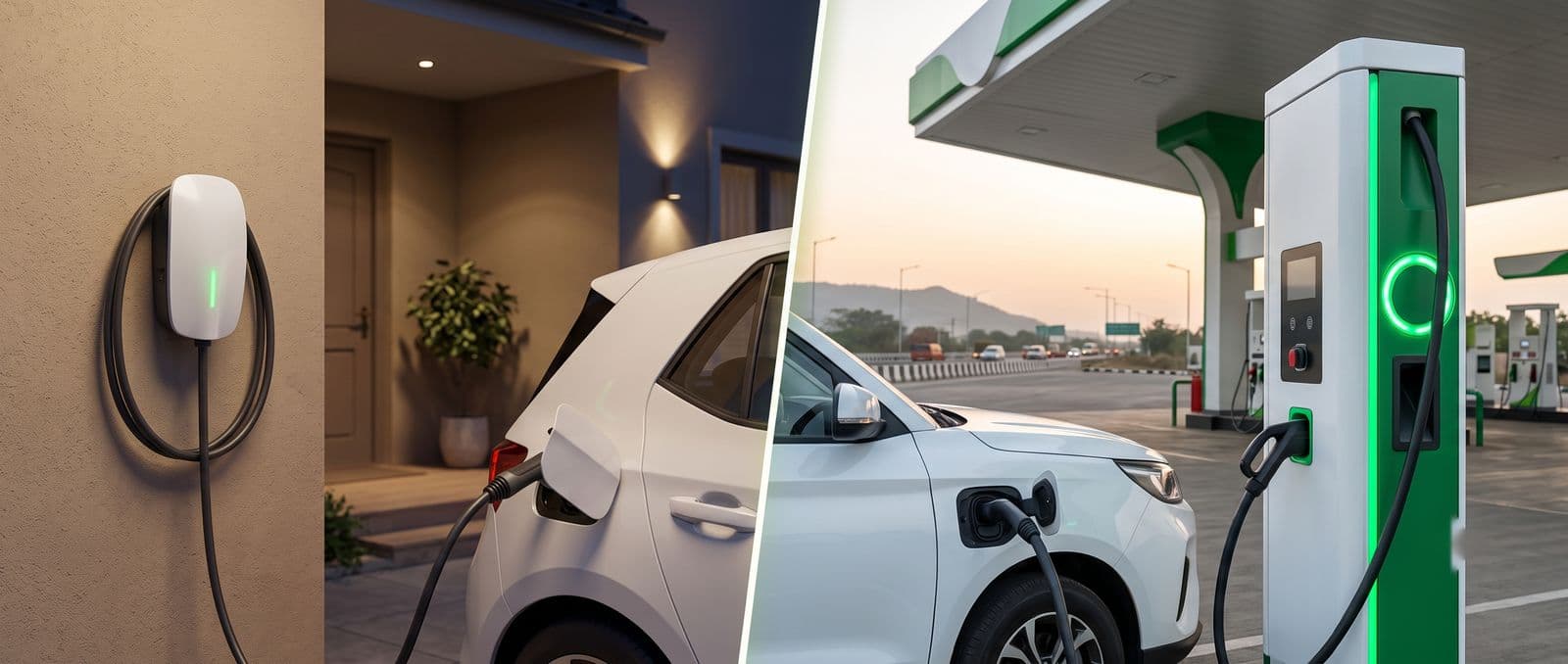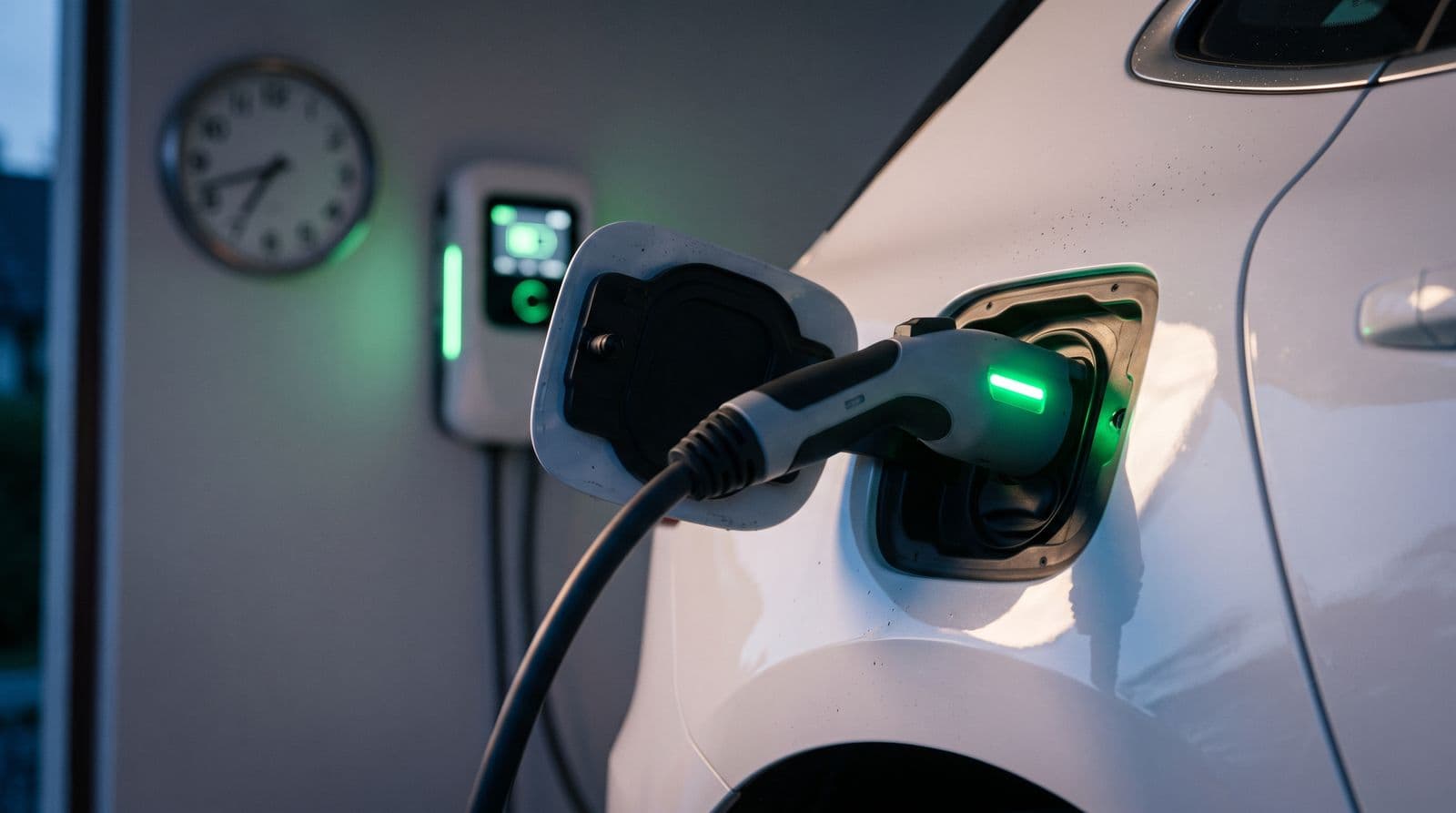
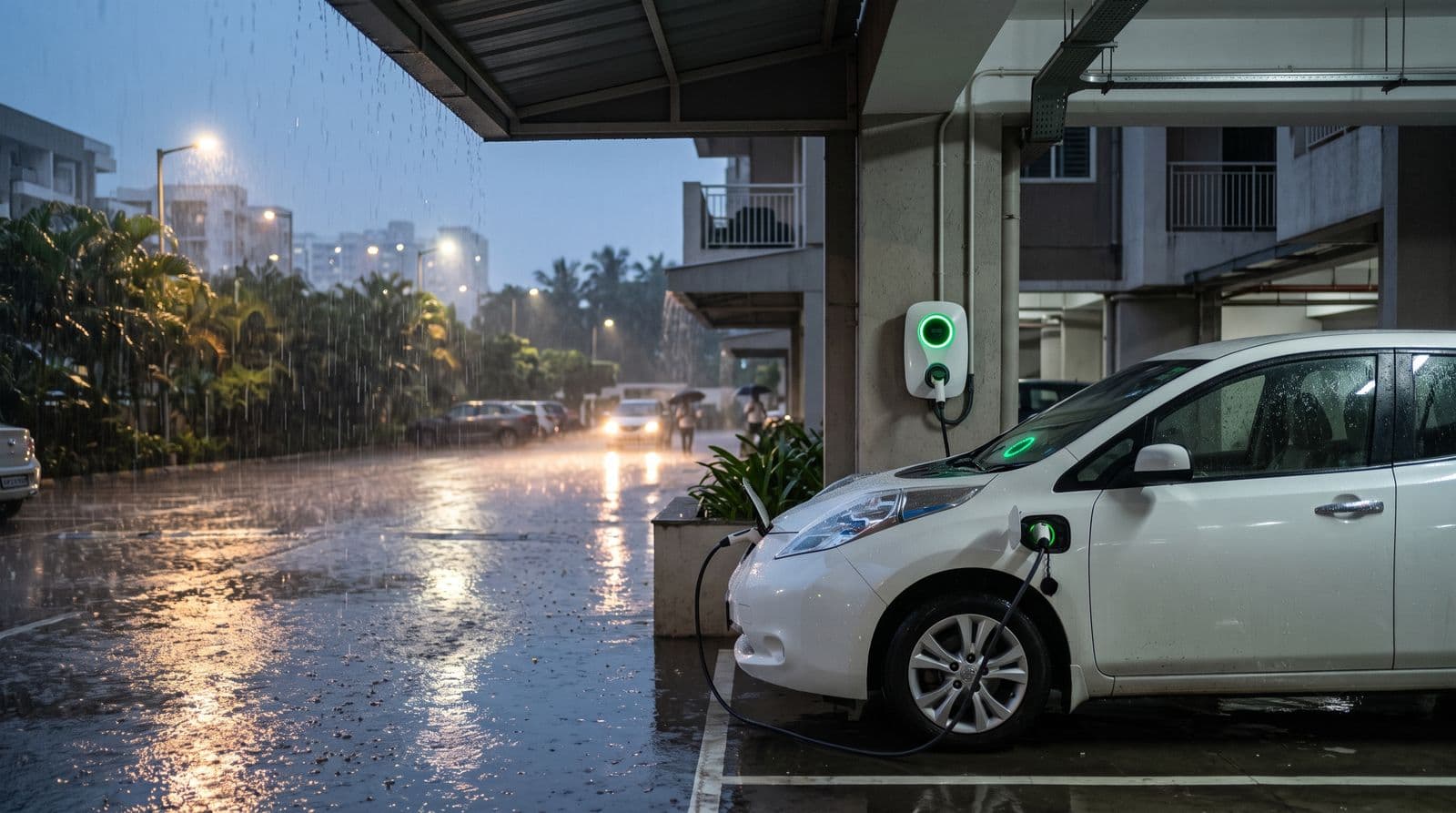
Every monsoon, EV owners ask the same question: is it safe to charge in the rain? The good news is that EVs and certified chargers are designed with water in mind. The connectors, the charging handshake and multiple layers of protection all work together to keep you safe. Still, Indian monsoons bring heavy downpours, waterlogged roads and voltage fluctuations, so a few sensible habits go a long way.
Why charging in the rain is generally safe
- No live power until locked: a standard charger does not energise the connector until it has completed a communication handshake with the car and the plug is fully seated.
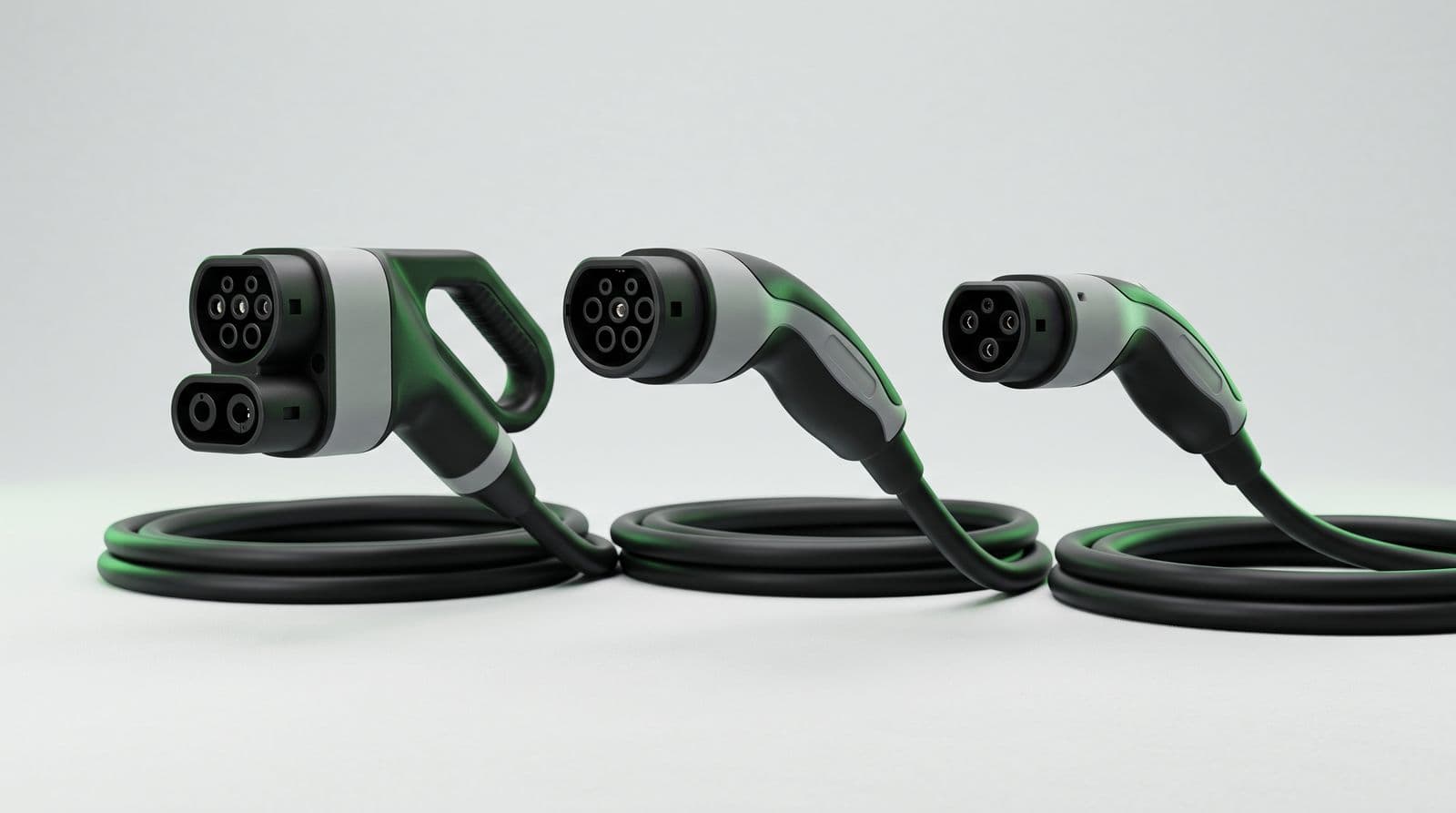
- Sealed connectors: Type 2 and CCS2 connectors and vehicle inlets are designed to resist water ingress.
- Residual current protection: properly installed chargers include RCD protection that cuts power within milliseconds if current leaks to earth.
- Weather ratings: outdoor chargers are built to ingress protection (IP) ratings that cover rain and splashing water.
Habits that keep you safe
- Inspect the connector and cable before plugging in. Do not use damaged or cracked equipment.
- Shake off or wipe excess water from the connector face, and keep the protective cap on when not in use.
- Do not plug in while standing in deep water, and never charge if the charger or the car's inlet is submerged.
- Avoid charging during a severe thunderstorm with lightning if the charger is in an exposed location.
- Never use household extension cords or improvised adapters to charge an EV.
Tip: If a charging session repeatedly fails or a protective device trips during heavy rain, stop and get the installation checked. Repeated trips often point to moisture in a junction box or a weak earth.
Home chargers in the monsoon
A home charger is only as weatherproof as its installation. Look for a charger with a suitable IP rating if it is outdoors or in semi-covered parking, mount it at a sensible height away from areas that flood, and use weatherproof glands and conduits for cables. Earthing deserves special attention: soil conditions change in the monsoon, and a poorly maintained earth pit can cause nuisance tripping or failed sessions. A pre-monsoon check by a qualified electrician is worthwhile.
Surge protection is also valuable, as monsoon storms often bring grid disturbances. Amphive’s installation assessment checks earthing and protection before a charger is installed.
Driving through water
Modern EV battery packs are sealed and typically carry high ingress-protection ratings, but that does not make them boats. Manufacturers specify a maximum wading depth; check your owner's manual and stay well within it. Drive slowly through water to avoid a bow wave. If your vehicle has been submerged significantly, do not try to charge or start it - contact your manufacturer's roadside assistance.
Battery care in humid weather
- Park under cover where possible to reduce heat and moisture exposure.
- Keep the charge port area clean; mud and debris can trap moisture.
- Keep software up to date, as manufacturers sometimes improve thermal and charging management.
- Get any warning lights checked promptly rather than waiting for the rain to stop.
Public chargers
At public stations, look for chargers that are well maintained, with canopies and clear drainage. Report damaged cables or water accumulation to the operator. If you get stuck with a low battery in a flooded area, it is safer to wait for conditions to improve or call for help than to attempt a risky drive.
Electric cars are designed for rain. The weak points are usually the installation and the habits around it.
With certified equipment, a sound installation and a little caution around deep water, monsoon charging is as routine as charging on a dry winter evening.
Frequently asked questions
Yes, with certified equipment that is in good condition. Connectors are sealed and chargers do not energise until the plug is locked and the car has completed a safety handshake.
If the car may have exceeded its rated wading depth or been submerged, do not charge or start it. Contact your manufacturer's roadside assistance for an inspection.
Look for a rating suitable for rain and splashing water, typically IP54 or higher for semi-covered or outdoor locations, and follow the manufacturer's installation guidance.
Sources
- CEA (Measures relating to Safety and Electric Supply) Regulations, 2023 (Powerline)
- CEA regulations for public EV charging stations (Bolt.Earth)
Policies and tariffs change. Information is accurate to the best of our knowledge as of the publication date.